

Thank you for Subscribing to Telecom Business Review Weekly Brief

the EW Scripps
Patrick Magee, Director, Audio Post-Production/Scripps Networks
Creating Captivating Sounds with AI-Powered Tools
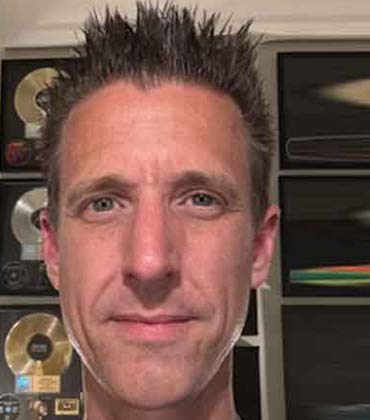
Patrick Magee
Patrick Magee’s professional career in music business and post-production started 26 years ago. In the early stages of his career, he worked as a freelance tracking and mix engineer with talented artists, engineers, and producers. His transition into film and TV post-production showcased his expertise as an engineer, music supervisor, and producer. At The E.W. Scripps Company, he facilitates the internal audio post-production and custom team production pipeline to schedule, create, and deliver both on and off-air commercial and promotional content.
In an exclusive interview with CIOReview, Patrick Magee shares his valuable insights on recognizing AI tools as an aid rather than a replacement for music producers. As the director of the audio post-production at The E.W. Scripps Company, could you describe your key roles and responsibilities? My main responsibility at The E.W. Scripps Company Network is leading an audio post-production team of engineers. The team supports all E.W. Scripps brands, including Ion Television, Bounce, and Court TV handling audio processes for original shows and promos, as well as marketing materials for these brands. In addition, I manage music licensing for the company, ensuring we have all the agreements in place for national brands and affiliates, such as ABC, FOX, CBS, and CW. This involves renewing agreements annually and overseeing custom music for the themes of original shows and events like the Scripps National Spelling Bee. I also handle voiceover talent, including their agreements, contracts, recording schedules, and collaboration with producers on scripts. According to you, what are some of the major challenges clients face in the post-production industry? Focusing specifically on music production, including music libraries and custom composition, there is a significant challenge with the emergence of AI tools capable of generating music. It is important for clients to understand that these tools are aids, not substitutes. While there is a growing tendency to opt for AI-generated music due to cost-effectiveness, it is crucial to recognize that AI compositions are still in their early stages and do not match the quality and expertise of professional human producers. In addition, there are legal aspects to consider regarding copyright ownership and royalty collection for AI-generated music. Navigating these legal components of ownership is still a work in progress, as everything in the AIproduction landscape is in its early stages. For that reason, clients in post-production must view AI tools as supplementary aids to convey their message effectively, rather than relying solely on them for music production. Similarly, in the audio post-production space, the implementation of AI tools such as plugins and software enhances workflow without significant challenges. However, the primary hurdles in production work related to AI lie in the domain of music, particularly in managing rights and licensing issues.It is essential to educate the clients about AI being an enhancement to the workflow of music production. not a replacement for professional producers.
The articles from these contributors are based on their personal expertise and viewpoints, and do not necessarily reflect the opinions of their employers or affiliated organizations.
