
Thank you for Subscribing to Telecom Business Review Weekly Brief

Freewheel – A Comcast Company
Quentin SaLay, Vice President Human Resources
Driving Global Change and Transformation
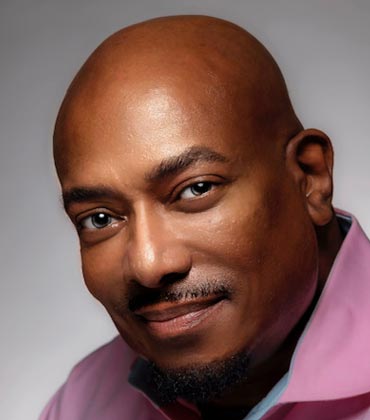
Quentin SaLay
Introduction
In today’s rapidly evolving world, global transformation is no longer a choice—it’s a necessity. As organizations navigate the complexities of digital disruption, shifting workforce expectations, and geopolitical uncertainty, Human Resources (HR) has emerged as a central force in shaping the future of work. HR is no longer just an operational function—it’s a strategic partner in driving transformation. HR leaders are Cocreating transformation roadmaps with the C-suite, leading organizational design and workforce planning aligned with future business models and acting as change agents who guide leaders and teams through uncertainty and disruption. At the heart of this evolution is a bold new mandate: HR must not only support change but lead it. The Forces Fueling Global Transformation The landscape of global business is being reshaped by five powerful forces: 1. Technological Advancements and Digitalization – From AI to automation, technology is redefining how work gets done, demanding new skills and new ways of thinking. 2. Shifting Workforce Demographics – A multigenerational, globally distributed workforce brings diverse expectations around flexibility, purpose, and inclusion. 3. Changing Customer Expectations – Consumers now demand personalized, values-driven experiences, pushing companies to rethink their operating models. 4. Geopolitical and Economic Volatility – Global uncertainty requires organizations to be more agile and resilient than ever before. 5. Sustainability and Social Responsibility – Stakeholders expect companies to lead with purpose, making ESG a strategic imperative. These forces are not isolated—they are interconnected, accelerating the pace of change and raising the stakes for global organizations. The Evolving Role of HR in Transformation HR is no longer a back-office function. It is now a strategic architect of transformation, responsible for aligning people, culture, and capability with business strategy. The modern HR leader must wear many hats: • Strategic Change Leader – Guiding the organization through complex transitions with clarity and empathy. • Culture Catalyst – Embedding purpose, trust, and innovation into the DNA of the organization. • Workforce Futurist – Anticipating skill gaps and building agile, future-ready talent pipelines. • Digital Enabler – Leveraging AI and digital tools to enhance employee experience and decision-making. • Global Talent Strategist – Balancing global consistency with local relevance in talent practices. • Champion of Well-being and Resilience – Supporting mental health, flexibility, and psychological safety in a world of constant disruption. What Success Looks Like For the Future of HR Success in this new era is not measured by process efficiency alone. It’s about impact—on people, performance, and purpose. Future-ready HR organizations will: • Build organizational agility that allows companies to pivot quickly and confidently. • Drive inclusive and digital workplaces that attract and retain top talent.True global transformation and change earns trust when it delivers the right outcomes, in the right sequence, at the right speed, proving to every stakeholder that progress was not only necessary but masterfully executed.
The articles from these contributors are based on their personal expertise and viewpoints, and do not necessarily reflect the opinions of their employers or affiliated organizations.
